Featured

Old Pakistan, Through Precious Pictures

Old Pakistan, Through Precious Pictures – Everybody has seen the current Pakistan Here we showing some old pictures which are very special moments of Pakistan. These pictures are our national property which reminds us the past of Pakistan.

European tourists enjoy a buggy ride outside Peshawar’s Hotel Intercontinental (1975).
Legendary boxer, Muhammad Ali, arrives at Kinnaird college in Lahore during his 1988 visit to Pakistan.
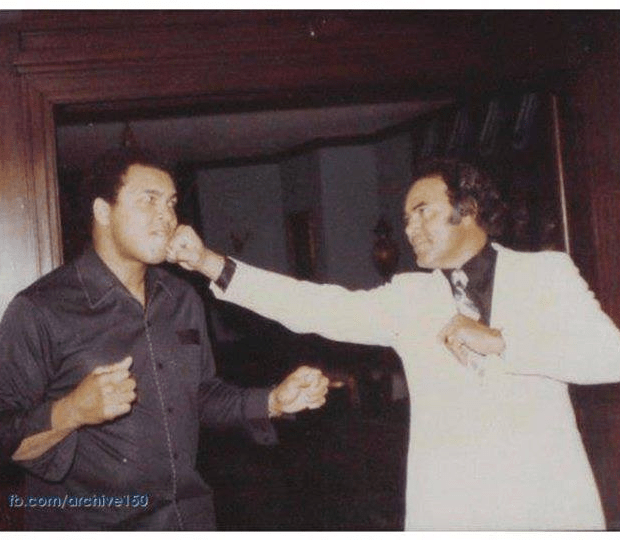
1980s: Sultan Rahi (“Maula Jutt”) and Muhammad Ali.
Barak Obama with a Pakistani friend in Karachi in 1982.
Karachi Airport in 1943. It was one of the largest in the region
People waving Pakistani and American flags from the balconies of their apartments at Karachi’s Burns Road as US President Dwight Eisenhower’s motorcade passes by during his visit to Pakistan in 1959.
Back in 1962: PIA crew posing at J.F Kennedy International Airport, USA
Tariq Aziz in the very first Neelam Ghar
Urdu news being delivered from Pakistan Television’s Karachi Studios (1974)
1980s: Cast of Comedy Show “Fifty Fifty”
(L – R) Zeba Shehnaz, Sakhi Kamal, Ashraf Khan, Hasnat Ahmed, Adil Wadia, Ismail Tara, Majid Jehnagir and Composer Arshad Mehmood.
The openers of Pakistan Cricket Team. BUTT sports was famous for its sporting equipment

Hyderabad In History

Hyderabad is situated 5 km from the eastern bank of the River Indus in Sind, Pakistan. The site upon which the city now stands is thought to date back to pre-historic times when the nearby hills were used as a place of worship. Hyderabad was occupied before the 8th century but the modern city was founded in 1768 by Ghulam Shah Kalhora and remained the emirs capital until the British general Sir Charles Napier conquered Sind in 1843.

Map of Hyderabad and the neighbourhood executed in water-colour by Henry Francis Ainslie (c.1805-1879), January 1852. Inscribed on the front in pencil is: ‘Fort of & station, with city of Hyderabad, Scinde. Jany 1852. HFA
Water-colour painting of the Fort at Hyderabad (Sind) by Henry Francis Ainslie (c.1805-1879), December 1851. Inscribed on the front of the mount in red ink is: ‘Sindh. Fort of Hyderabad, capital of Sindh, from the Belloochee lines. The tower contained the treasures of the Ameers of Sindh. Decr 1851. HFA.’

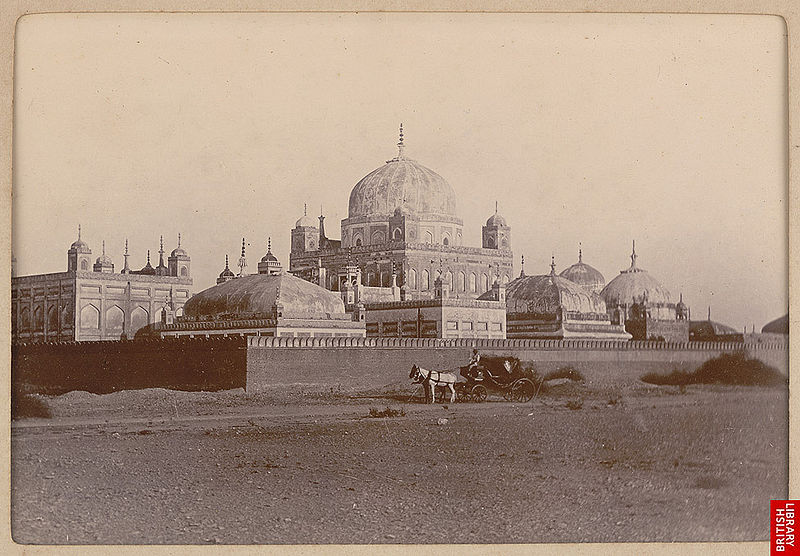
Above Photograph of the tombs of the Talpur Mirs at Hyderabad in the Sindh province now in Pakistan, taken by an unknown photographer, c.1900, from an album of 46 prints titled ‘Karachi Views’. Sindh province takes its name from the Sindhu river which flows through it, frequently flooding its banks, and known to the West as the mighty Indus. Sindh has a long history, and the Talpur Mirs, originally from Baluchistan, were the last of the dynasties which ruled Sindh. Reigning from 1782-1843, their capital was Hyderabad. The city had been chosen as the capital of the Kalhora rulers of Sindh in the 1760s. When they were displaced by the Baluchi Talpurs in 1782, Hyderabad remained the capital of Sindh. The Talpurs were defeated by the British in 1843, and the capital of Sindh was shifted to Karachi. The tombs of both the Kalhoras as well as the Talpurs lie on a ridge north of the old city of Hyderabad, although the latter’s are better preserved. An oblong wagon vault is used for the smaller tombs and different levels are defined by low parapets.

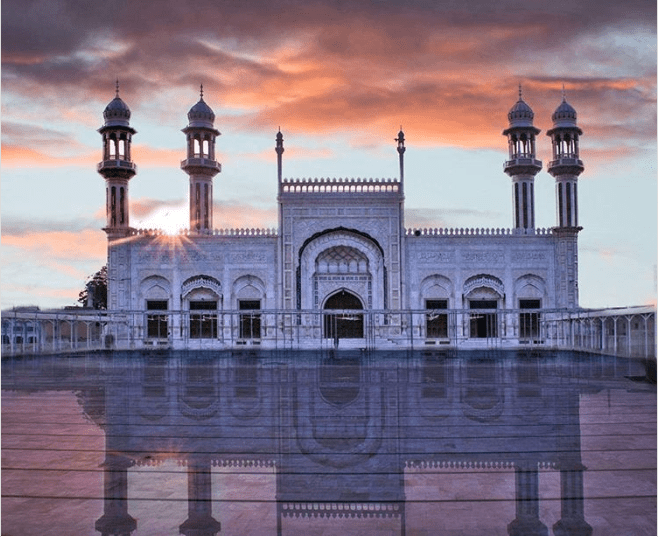
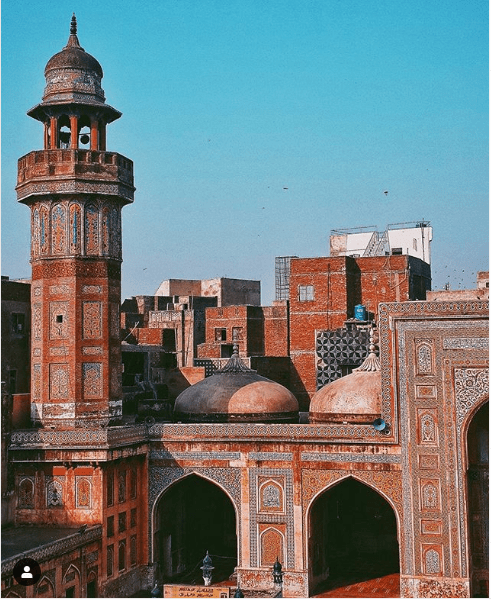
9 historical Pakistani Mosques that will transport you to another time

Pakistan’s rich culture is reflected in the architecture of its historically significant mosques. Whether it’s Lahore’s Badshahi Mosque or the lavishly decorated Mahabat Khan Mosque of Peshawar, each mosque is unique and beautiful, speaking volumes for the architectural mastery of their time.

1. Badshahi Mosque in Lahore was the largest mosque in the world when it was constructed in the 17th century, commissioned by sixth Mughal Emperor Aurangzeb

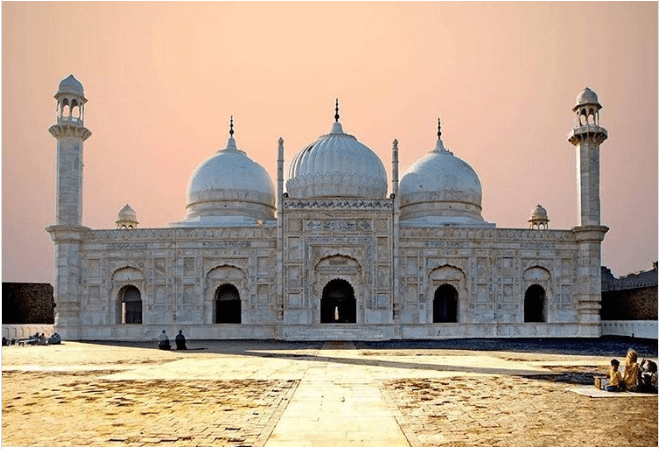
2. Abbasi Mosque in Bahawalpur was constructed with cupolas and domes of exquisite marble by Nawab Bahawal Khan in 1849

3. Located at the edge of Khanpur Dam reservoir is the historical Masjid Rajgan built in 1872

4. Built just prior to partition, Bahawalpur’s Al-Sadiq Mosque can house 50,000 to 60,000 people at a time

5. Lahore’s Sunehri Masjid was built in 1753 and features three golden domes

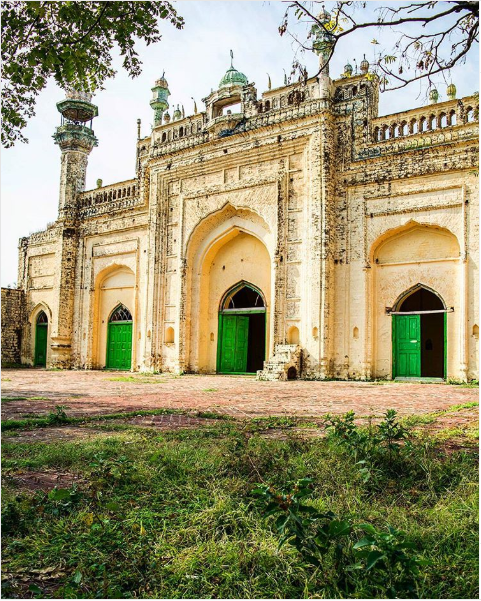
6. This 17th century mosque was named after the Mughal governor of Peshawar Nawab Mahabat Khan

7. Grand Mosque Gandawah, in Balochistan, was built in the early 1900s by the then ‘Khan of Kalat State’

8. One of the oldest mosques in Rawalpindi, Markazi Jamia Masjid is a true architectural wonder

9. Wazir Khan Mosque contains some of the finest examples of Qashani tile work from the Mughal period

Introduce Yourself (Example Post)

This is an example post, originally published as part of Blogging University. Enroll in one of our ten programs, and start your blog right.

You’re going to publish a post today. Don’t worry about how your blog looks. Don’t worry if you haven’t given it a name yet, or you’re feeling overwhelmed. Just click the “New Post” button, and tell us why you’re here.

Why do this?

  • Because it gives new readers context. What are you about? Why should they read your blog?
  • Because it will help you focus you own ideas about your blog and what you’d like to do with it.

The post can be short or long, a personal intro to your life or a bloggy mission statement, a manifesto for the future or a simple outline of your the types of things you hope to publish.

To help you get started, here are a few questions:

  • Why are you blogging publicly, rather than keeping a personal journal?
  • What topics do you think you’ll write about?
  • Who would you love to connect with via your blog?
  • If you blog successfully throughout the next year, what would you hope to have accomplished?

You’re not locked into any of this; one of the wonderful things about blogs is how they constantly evolve as we learn, grow, and interact with one another — but it’s good to know where and why you started, and articulating your goals may just give you a few other post ideas.

Can’t think how to get started? Just write the first thing that pops into your head. Anne Lamott, author of a book on writing we love, says that you need to give yourself permission to write a “crappy first draft”. Anne makes a great point — just start writing, and worry about editing it later.

When you’re ready to publish, give your post three to five tags that describe your blog’s focus — writing, photography, fiction, parenting, food, cars, movies, sports, whatever. These tags will help others who care about your topics find you in the Reader. Make sure one of the tags is “zerotohero,” so other new bloggers can find you, too.

Design a site like this with WordPress.com
Get started